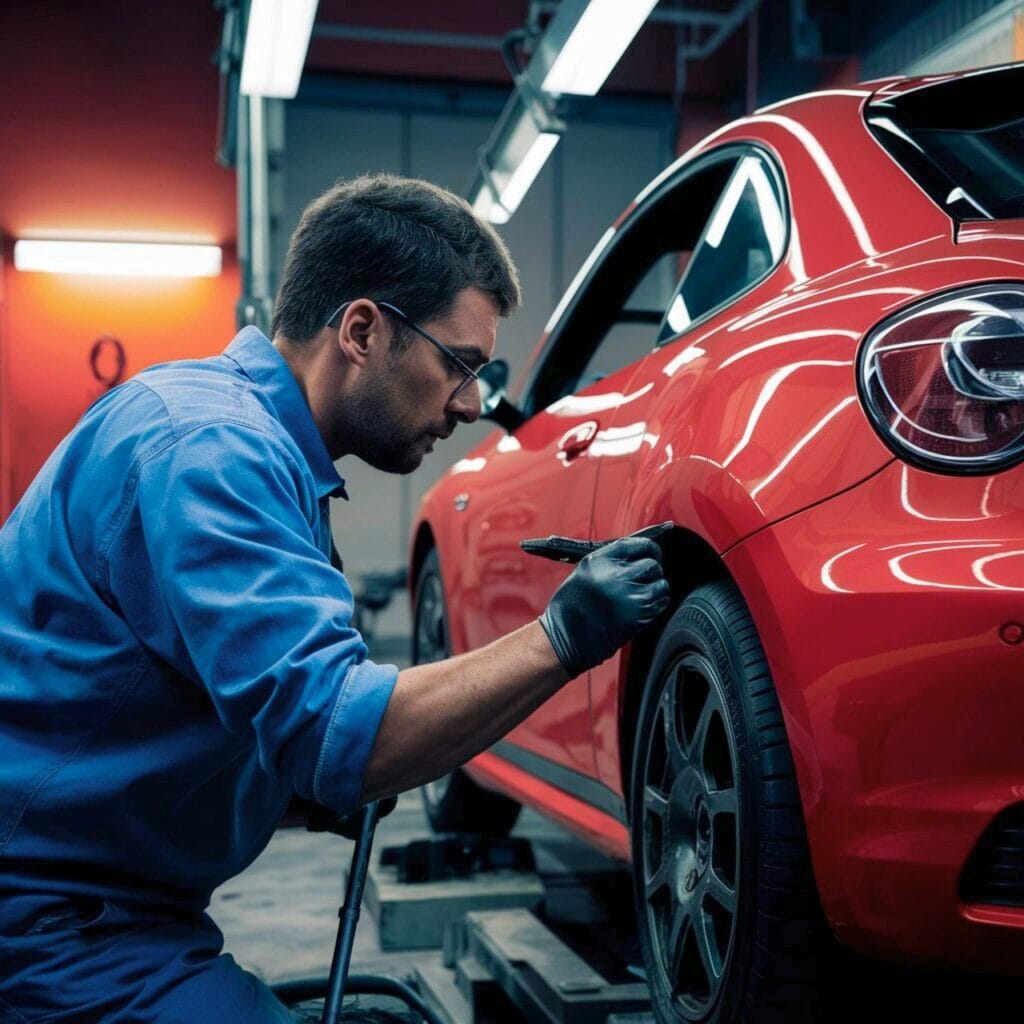
2018 Hyundai Elantra: Overview and Owner Insights
The 2018 Hyundai Elantra is a compact sedan known for its value, comfort, and practical features. Designed to appeal to commuters and families alike, the Elantra offers a stylish exterior, a straightforward interior layout, solid safety ratings, and good fuel economy. It comes in various trims with both manual and automatic transmission options, and standard technology like Bluetooth and infotainment integration.
Owning a 2018 Hyundai Elantra can be a satisfying experience—if you keep up with regular maintenance and remain alert to any emerging issues. Proactive care ensures long-term reliability, higher resale value, and peace of mind on the road. Neglecting maintenance or ignoring common warning signs can lead to costly repairs and safety concerns over time.
Common Problems and Reported Issues
Despite its strong reputation, the 2018 Hyundai Elantra has been associated with several common problems reported by owners and automotive experts. Understanding these issues—and their severity—helps you take preventive action and know when to consult a professional.
Powertrain: Transmission & Engine
- Transmission Issues
Many owners report slipping gears, delayed shifts, rough transitions, or—more rarely—complete failure of the transmission. These issues can be significant and often require professional attention. See details - Engine Problems
Complaints include knocking noises, stalling, and reduced performance, sometimes due to oil sludge build-up, faulty sensors, or fuel system issues. Regular oil changes and prompt sensor repairs can help. More info
Electrical System
- Electrical Malfunctions
Owners encounter battery drain, infotainment glitches, and sensor failures leading to stalling. These can range from minor inconveniences to issues that affect drivability. Problem breakdown - Theft Vulnerability
Certain models lack engine immobilizers, increasing theft risk, which was highlighted by a social media trend. Hyundai has since released security updates. See news coverage
Brakes, Suspension, and Steering
- Braking Concerns
Reports include squealing, spongy pedal feel, and accelerated brake wear—commonly linked to low fluid or worn parts. See more - Suspension & Steering Issues
Some drivers notice knocking noises, steering vibrations (notably at highway speed), and irregular tire wear. These are usually caused by worn suspension elements or misalignment. Read further
Exterior and Recalls
- Paint Peeling
Cosmetic complaints include paint flaking from the hood and roof, which may lead to rust if untreated. More here - Overheating
Instances of overheating traced to coolant leaks, bad radiator fans, or thermostat failures require urgent attention. Repair advice - Fire Risk Recall
In 2023, Hyundai recalled multiple models—including the 2018 Elantra—due to a fluid leak in the ABS control module. This rare but serious defect can cause engine compartment fires. Recall details
Note: While not every 2018 Elantra will experience these problems, staying ahead with routine care and prompt repairs is the best way to minimize risk.
Recommended Maintenance Schedule for the 2018 Hyundai Elantra
Adhering to the manufacturer’s maintenance schedule is vital to keeping your Elantra running smoothly and avoiding preventable issues. Below is a practical summary of key tasks, organized by mileage (and kilometer) intervals.
| Interval | Maintenance Tasks |
|---|---|
| Every 7,500 miles (12,000 km) / 6 months | – Replace engine oil and filter – Rotate tires – Inspect battery – Inspect air cleaner filter – Inspect vacuum hose – Add fuel additive (if needed) |
| Every 15,000 miles (24,000 km) / 12 months | – Repeat all 7,500-mile items – Inspect A/C refrigerant – Inspect brake hoses/lines – Inspect drive shafts/boots – Inspect exhaust/muffler – Inspect front/rear brakes – Inspect steering gear/linkage/boots – Inspect suspension mounting bolts – Replace climate control air filter |
| Every 30,000 miles (48,000 km) / 24 months | – Repeat all 15,000-mile items – Inspect brake/clutch fluid – Inspect fuel filter/lines – Inspect parking brake – Inspect vapor hose/fuel filler cap – Replace air cleaner filter |
| Every 60,000 miles (96,000 km) / 72 months | – Inspect drive belts |
| Every 120,000 miles (192,000 km) / 120 months | – Replace engine coolant |
| Brake Fluid | – Inspect every 8,000 miles (13,000 km) / 12 months – Replace every 48,000 miles (78,000 km) / 48 months |
| Engine Coolant (after initial change) | – Replace every 30,000 miles (48,000 km) / 24 months |
For a detailed list tailored to your region and driving conditions, check the Hyundai Elantra Owner's Manual.
How CarAI Helps 2018 Hyundai Elantra Owners
A car management tool like CarAI is designed to take the stress out of owning and maintaining vehicles like the 2018 Elantra. Here’s how it specifically supports your ownership experience:
- AI Car Assistant
Get immediate, personalized advice on symptoms (like unusual engine noises or warning lights) and maintenance queries, tailored to your Elantra. - Service Reminders
Set customizable reminders for every oil change, inspection, and major service interval—eliminating guesswork and late maintenance. - Repair History Tracking
Keep an organized, easily accessible log of all performed services, repairs, and costs—helpful for resale, warranty validation, and peace of mind. - Recall & Safety Alerts
Receive instant notifications about recalls or safety issues, including urgent notices like the ABS module recall. - Issue Logging & Diagnostics
Record and monitor recurring problems (e.g., transmission hiccups or infotainment glitches) to spot patterns and share with your mechanic. - Access to Manuals Anytime
Browse your Elantra’s owner’s manual and service bulletins in-app so you can troubleshoot on the go.
Take control of your 2018 Hyundai Elantra’s health today—download CarAI for smarter, stress-free management and assurance against common issues.
Conclusion
The 2018 Hyundai Elantra stands out for its reliability and value, yet owners should be aware of common problems such as transmission quirks, engine concerns, and critical recalls. Adhering to the recommended maintenance schedule—outlined above—is the first line of defense against unexpected breakdowns and costly repairs.
Proactive care matters. With a modern vehicle care app like CarAI, you can automate reminders, track repairs, and stay ahead of recalls. Empower yourself to enjoy worry-free driving—**download the app now and simplify your car ownership experience**.